 Our use of cookies
 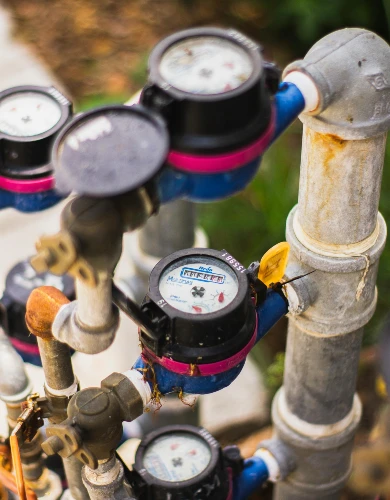 How the water self-supply licence works for businesses
 Deregulation of the English and Scottish water market introduced the option of self-supply. Large organisations can apply for a licence to purchase water directly from regional water companies and take on the supplier’s role themselves. The self-supply regime means that a company with a licence has similar rights to business water suppliers, except that it…
read more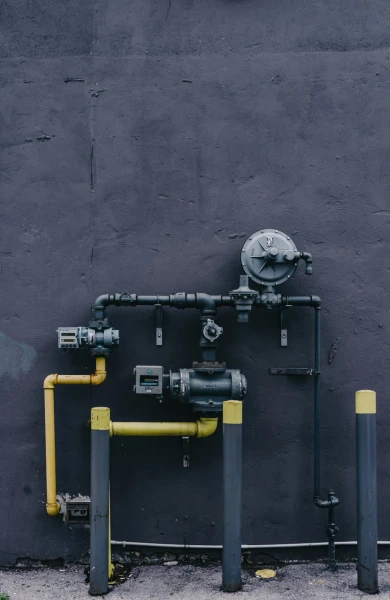 How to get a new gas connection for your business
 A new business gas connection is required when a commercial property needs to be connected to the local gas network for the first time, or where an existing supply no longer exists. Connecting a premises involves extending the gas network to the site, installing a commercial gas meter, and registering the supply so gas can…
read more Water consumption of AI data centres in the UK and their impact on water resources
 Artificial intelligence (AI) is driving a rapid expansion of data centres across the UK, with tens of new facilities planned or under construction and hundreds of megawatts of new computing capacity being added to the grid. Around the world, data centres have attracted attention for the large volumes of water they consume to keep high-powered…
read more How to claim a sewerage rebate for your business
 Business water rates for sewerage charges are complex, and the calculation method can result in businesses paying for wastewater they do not actually discharge. If your business uses a significant amount of water that doesn’t end up in the public sewers, whether through manufacturing, cooling, irrigation, or being incorporated into products, you could be eligible…
read more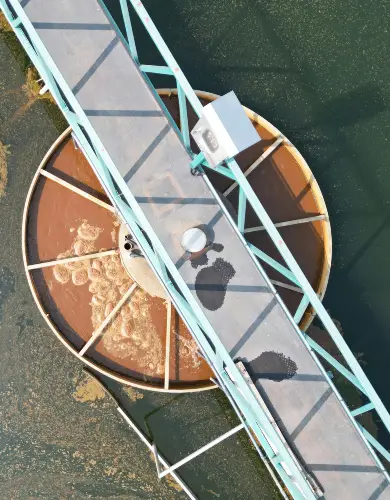 How sewage is used to power Britain
 Britain has over 7,000 sewage treatment works, all producing sewage sludge, a solid organic by-product of wastewater treatment. In the past, sewage sludge was routinely disposed of in British landfills, where it decomposed and produced harmful greenhouse gases. Today, sewage sludge is recognised as a valuable biomass source that can generate green biogas, renewable electricity,…
read more Ofwat vs Ofgem: Comparing the approach of utility regulators
 Ofwat and Ofgem are independent economic regulators for the water and energy markets in Britain. Both regulators aim to protect consumers, ensure fair pricing, promote efficient and reliable services, and encourage long-term investment in infrastructure. Despite the alignment in their goals, Ofgem and Ofwat have taken notably divergent approaches in several areas that impact consumers…
read more